
Step one of the cycle
Nine visual languages built by Black and Diaspora artists.
Study a movement, meet the artist who shaped it, learn the marks your eye should catch. Then the Prompt Lab opens for that style.
 01
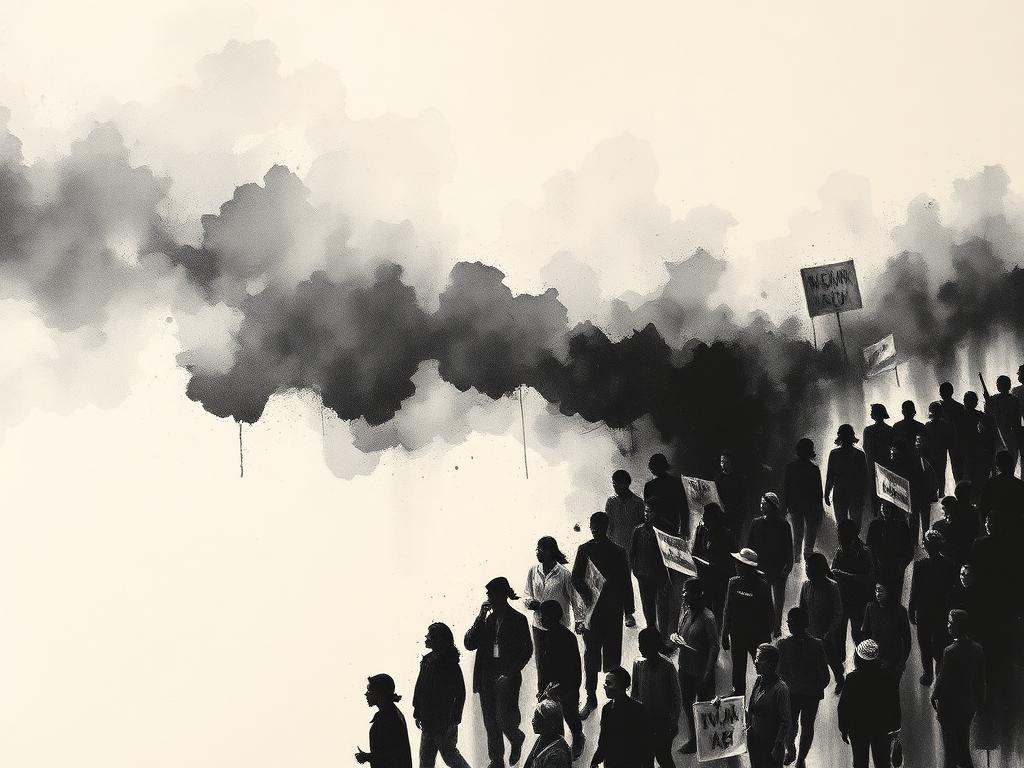
01Civil Rights Figuration & Abstract Witness
New York City · 1963–1965
The Spiral collective formed in Romare Bearden's studio in July 1963, when a group of Black artists began meeting weekly to debate what it meant to make art in the middle of the civil rights movement. They didn't share one style — some worked abstractly, some figuratively — but they shared the question of what an artist owed the struggle happening outside the studio door. Their only group show, in 1965, was rendered entirely in black and white: a deliberate constraint that tied their many visual languages together.
Study this movement →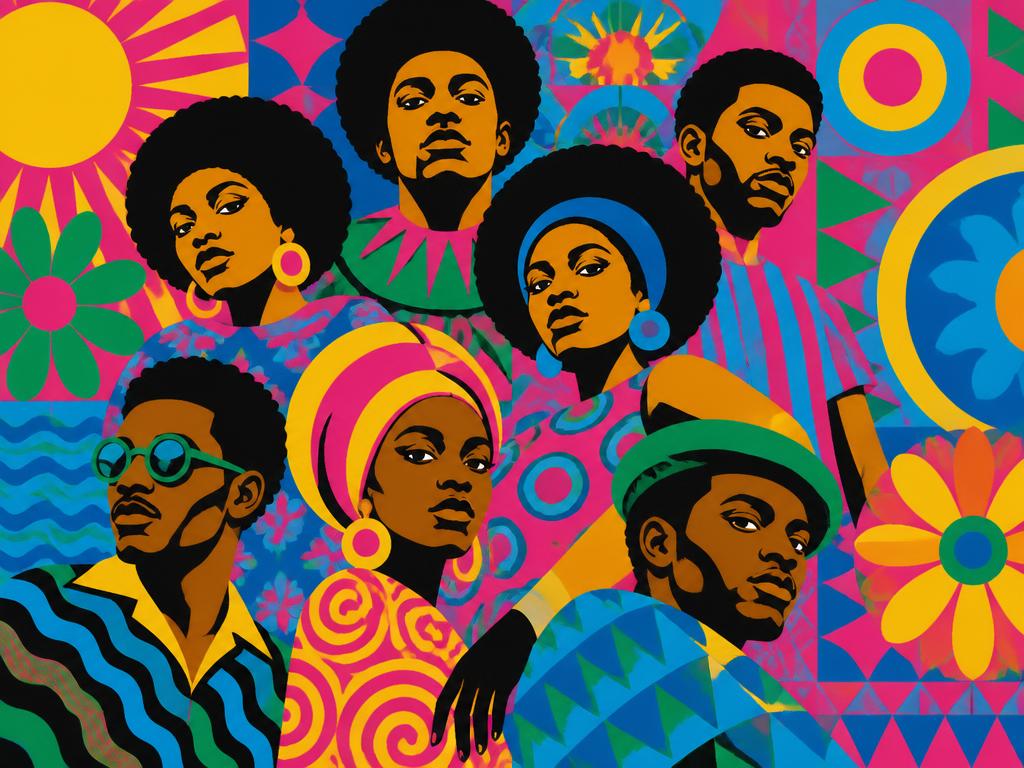 02
02AfriCOBRA & the Cool-Ade Aesthetic
Chicago, South Side · founded 1968
AfriCOBRA (African Commune of Bad Relevant Artists) grew out of Chicago's Organization of Black American Culture, the group behind the 1967 Wall of Respect mural. Five founding artists set out to build a visual language that was unmistakably, intentionally Black — bright, legible, and made for the street rather than the gallery. They called their palette "Kool-Aid colors," named for the vivid, everyday drink mix everyone in the neighborhood grew up on.
Study this movement →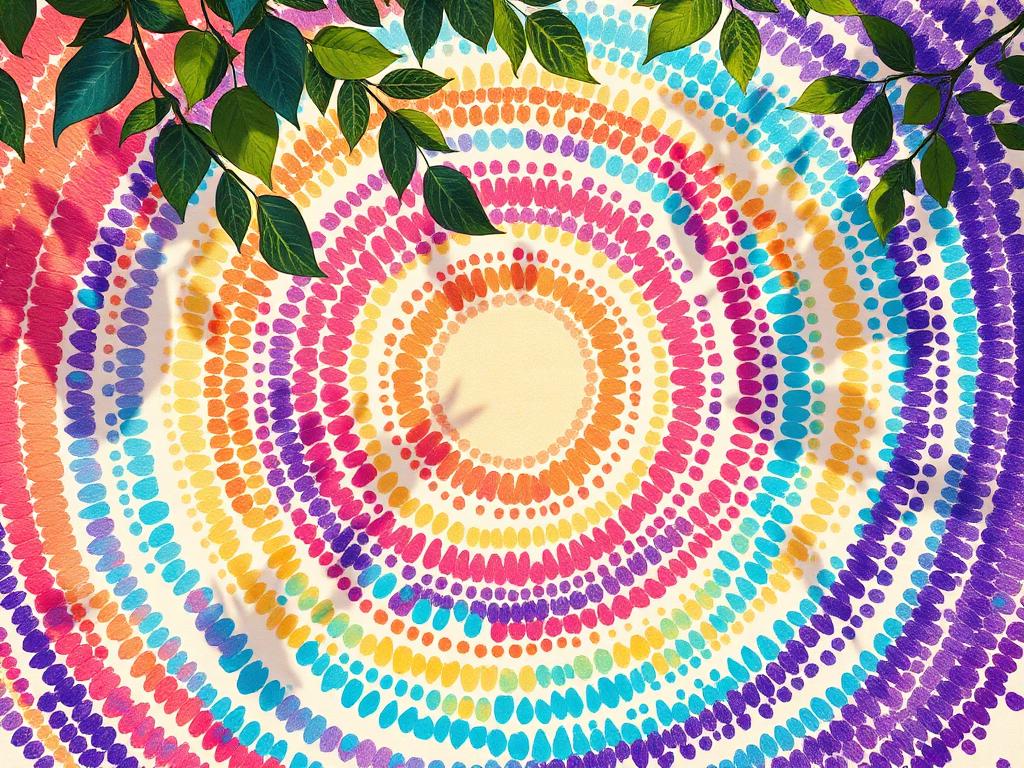 03
03Washington Color School Abstraction
Washington, D.C. · mid-1960s onward
While Pop Art dominated New York headlines, a different conversation was happening in Washington: painters stripped color down to its purest form, letting hue and pattern carry the whole painting with no figure, no story, no visible gesture of the artist's hand. It was a quieter, more optical kind of radicalism — asking how much feeling color alone could hold.
Study this movement →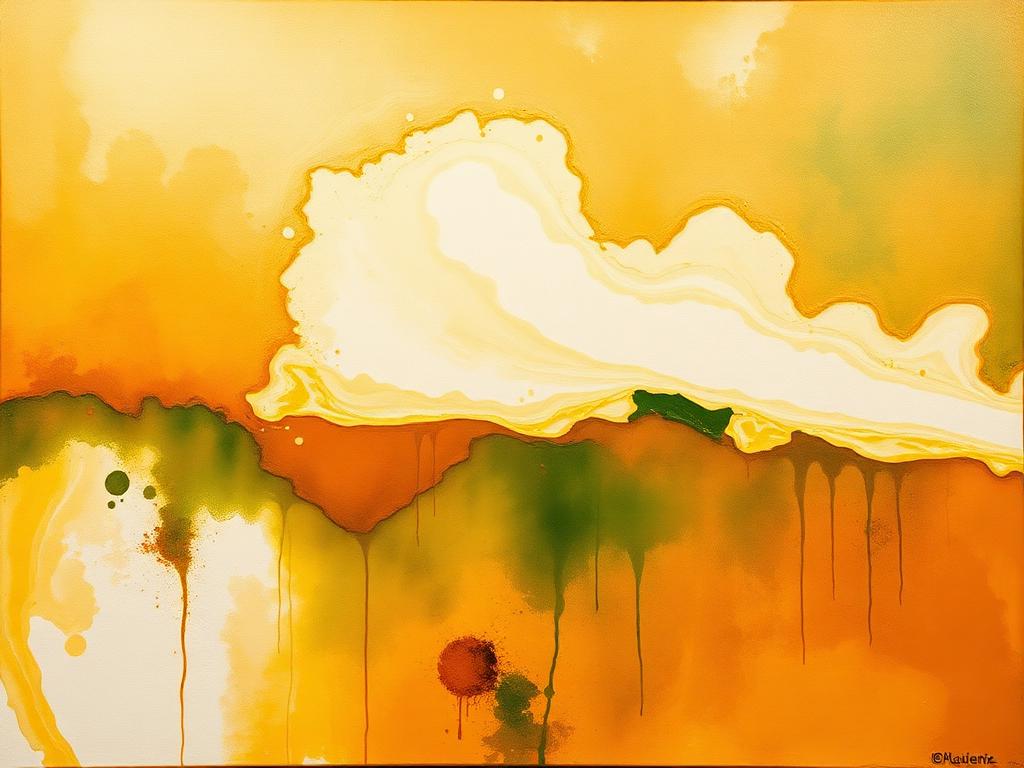 04
04Diaspora Map Painting
London & New York, via Guyana · 1960s
Artists who arrived in London from the Caribbean during the Windrush years found a British art world reluctant to make room for them — one curator reportedly said outright that England "wasn't ready" for a gifted artist of color. Some pushed into abstraction instead, folding personal geography into paint: stenciled coastlines, poured color that behaved like weather, work that carried a homeland without depicting it literally.
Study this movement →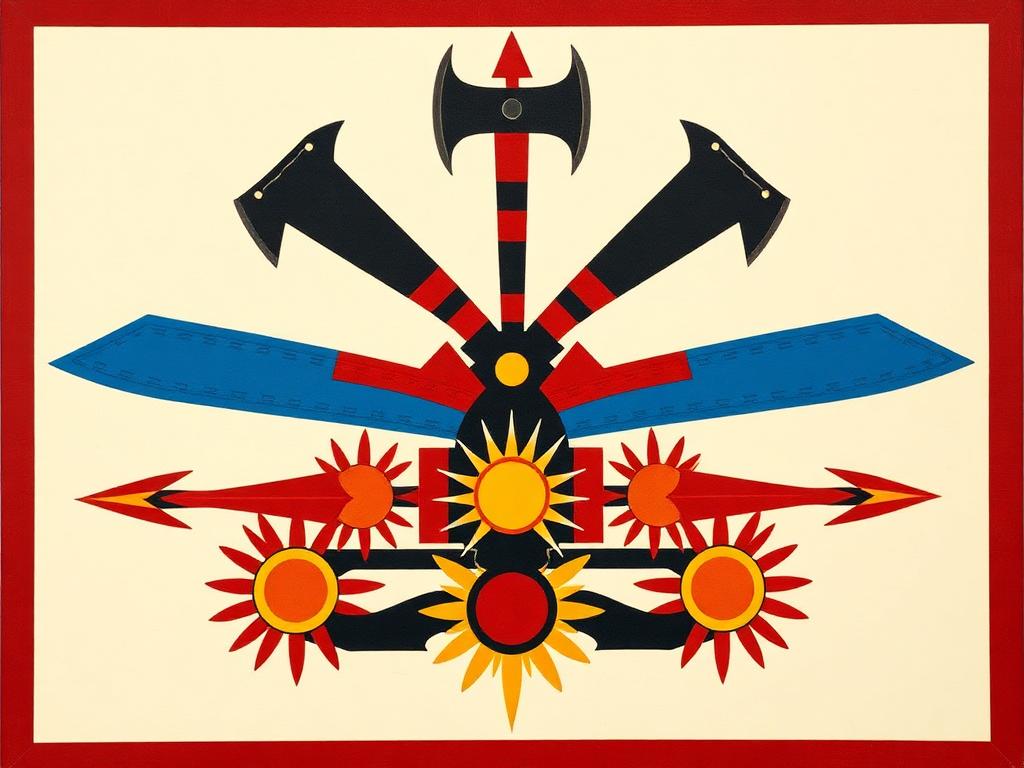 05
05Afro-Brazilian Geometric Symbolism
Bahia & Brasília, Brazil · 1960s
Brazil's geometric abstraction movement prized cool, mathematical form. One painter from Bahia took that same crisp geometric language and filled it with something the movement hadn't planned for: the visual signs of Candomblé, an Afro-Brazilian spiritual tradition carrying West African roots. The result argued that "universal" abstraction could also be specific, sacred, and rooted in a particular ancestry.
Study this movement →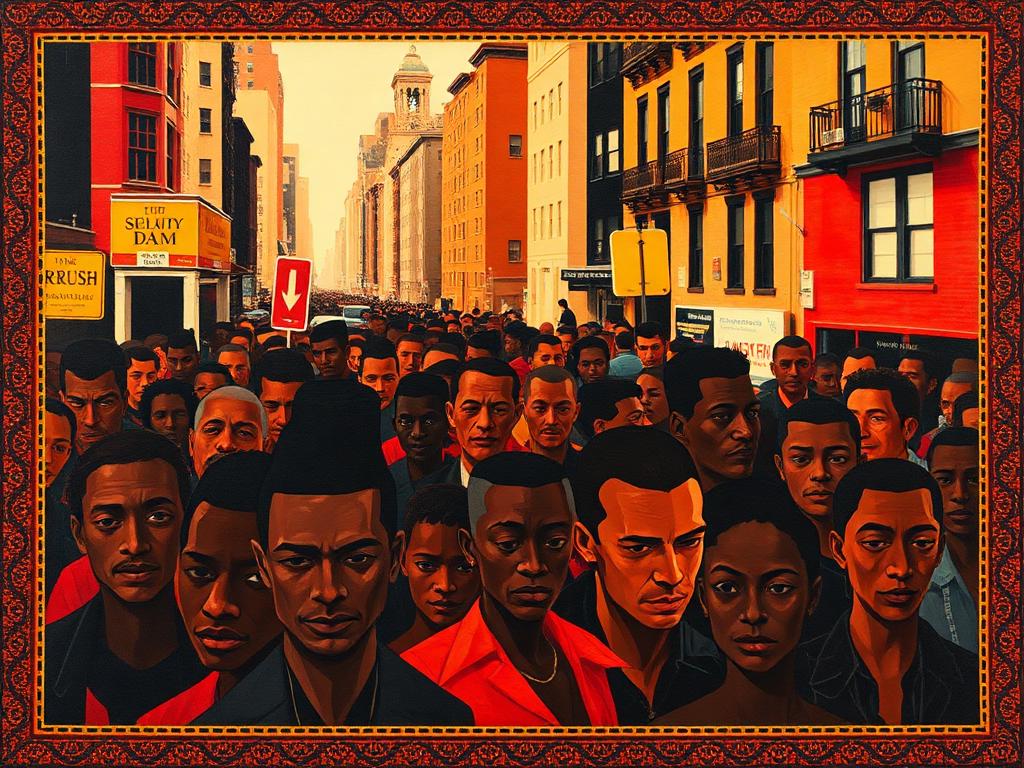 06
06Pop-Cubist Social Portraiture
Harlem & New York City · 1963–1967
One painter spent the years of the March on Washington and the Civil Rights Act building a twenty-canvas series that put pop art's flat, graphic confidence in direct conversation with the political urgency the movement demanded — proof that "pop" and "protest" were never as far apart as the era's art history books suggested.
Study this movement →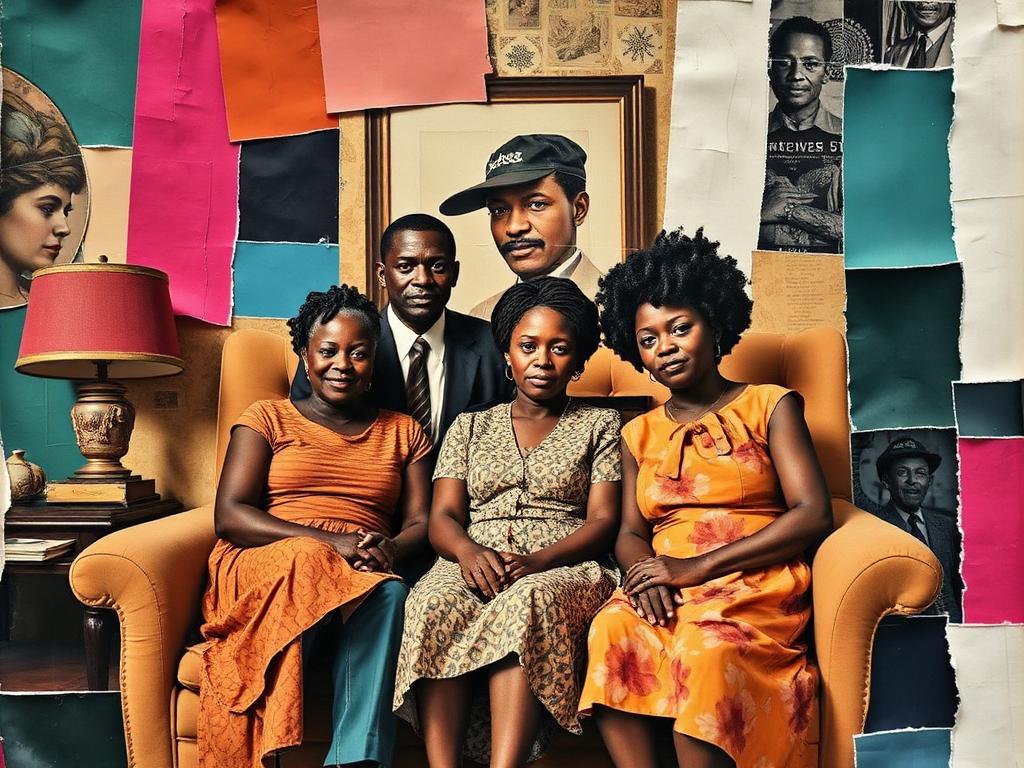 07
07Harlem Photomontage Narrative
Harlem, New York City · 1964 onward
In the mid-sixties a circle of Harlem artists turned to scissors and paste as a serious medium. Cutting up magazine photographs, fabric scraps, and printed color, they built scenes of Black daily life whose seams stayed visible on purpose — a face assembled from four different people's features, a room that shifts scale from wall to wall. The fracture was the argument: a community's story is stitched from pieces, and the stitching is part of the beauty.
Study this movement →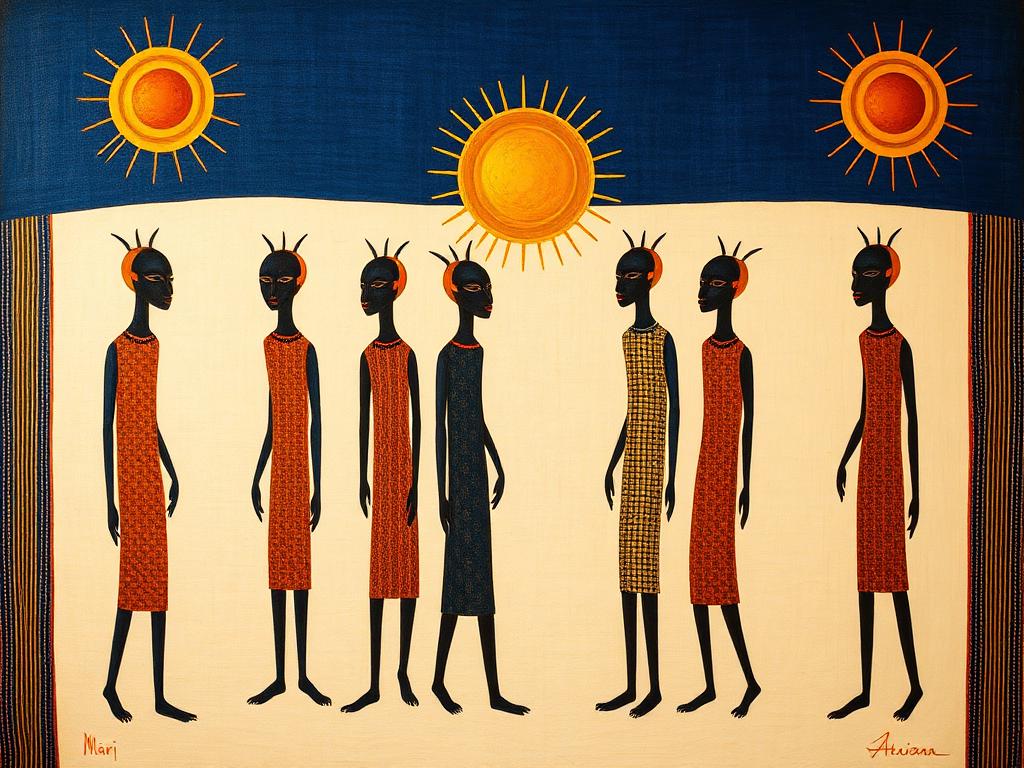 08
08Négritude Modernism / École de Dakar
Dakar, Senegal · 1960–1974
After Senegal's independence, the state funded a school of painting charged with a startling brief: invent a modern art that was unmistakably African, drawing on masks, cosmology, sign systems, and woven cloth rather than on European models. The 1966 World Festival of Negro Arts in Dakar gathered artists from across the continent and the Diaspora and made the argument visible — modernism with its center of gravity moved south.
Study this movement →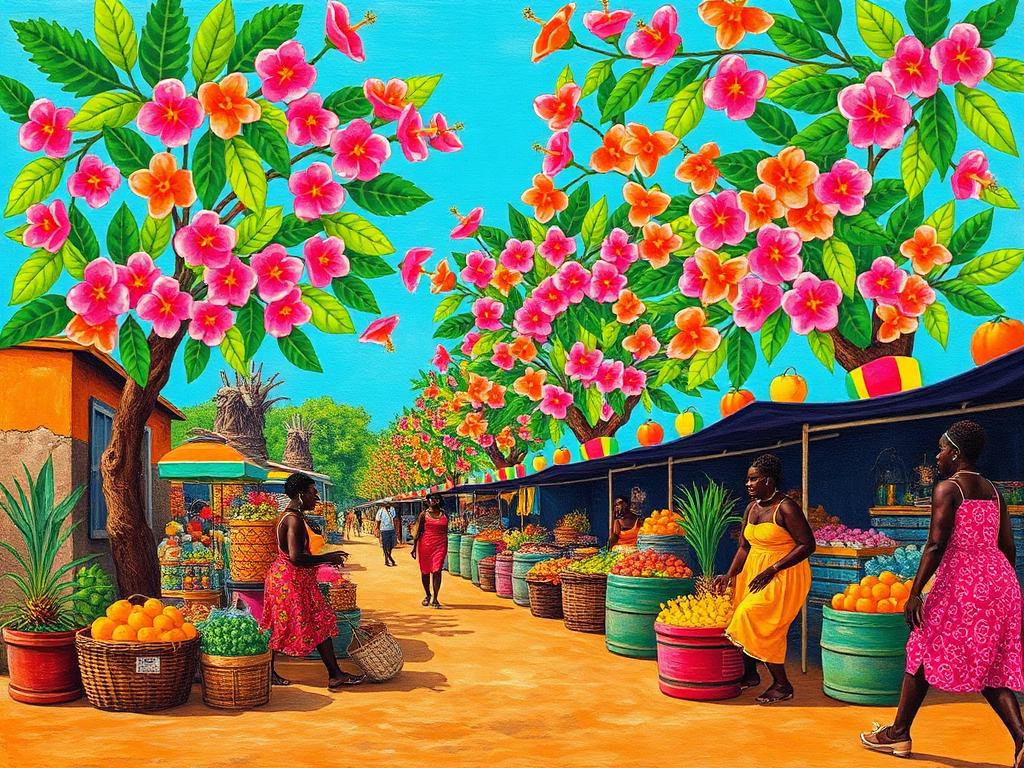 09
09Caribbean Intuitive Modernism
Jamaica, Haiti & the wider Caribbean · 1950s–1970s
Across the Caribbean, self-taught painters — farmers, preachers, woodcarvers — built a modernism nobody had licensed them to make. Curators eventually called it "intuitive," a word that undersells the rigor: flattened space, saturated tropical color, spiritual and folk narrative treated as history painting. The work insisted that the island's own visual imagination was the subject, not a rustic footnote to somebody else's canon.
Study this movement →